Social media has made it easier than ever for fake trading gurus to sell hype, screenshots, and lifestyle content to beginners. Here’s why the problem is growing — and how traders can protect themselves.
Not every trader with an audience is fake. But in today’s trading industry, social media often rewards attention more than credibility. Regulators have repeatedly warned that investment content on social platforms can be inaccurate, incomplete, misleading, and capable of creating a false impression of legitimacy or consensus. (Investor)
That is exactly why the “fake guru” problem has become so common.
Social media made the problem worse
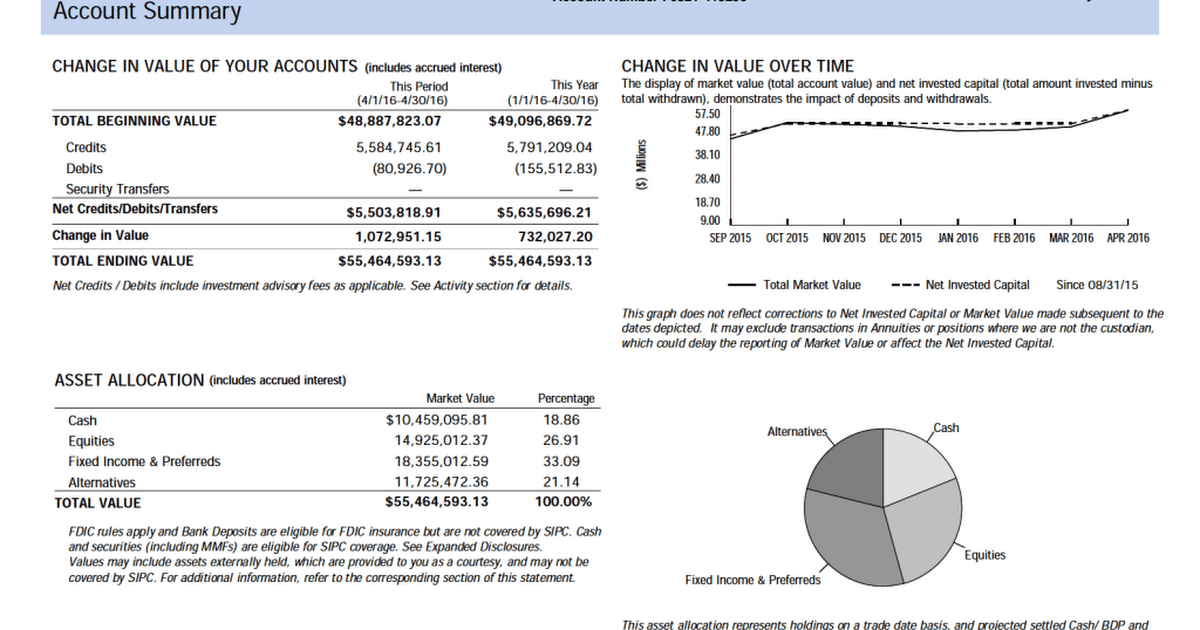
The modern fake guru does not always look like a scammer. Sometimes they look polished, confident, and highly successful. Their content is built around lifestyle clips, big profit screenshots, bold claims, and emotional marketing. But regulators warn investors not to make investment decisions based solely on social media content, especially when that content promises unusually high returns, little risk, or funnels people into private chats and communities. (Investor)
The issue is not just bad education. In many cases, it is manipulation.
The SEC has warned that fraudsters can create fake profiles, invent credentials, impersonate legitimate professionals, and use testimonials or celebrity-style endorsements to build trust. Social media also makes it easy to make something look popular even when the underlying opportunity is weak, misleading, or completely fraudulent. (Investor)
What the fake guru model usually looks like
Most fake guru schemes follow a familiar pattern:
They sell the image first, and the substance second.
Instead of focusing on risk management, market structure, trade review, or execution discipline, the content revolves around status: luxury cars, fast money, exclusive access, “secret strategies,” and the idea that profitability is just one membership away. ASIC has specifically warned about unlicensed finfluencers promoting high-risk products while using misleading success claims and luxury lifestyle imagery, often inviting people into closed communities to “learn their secrets” or copy trades. (ASIC)
Sometimes it gets even worse than empty marketing. The SEC charged eight social media influencers in a $100 million stock manipulation scheme in which they allegedly built large followings on Twitter and Discord, promoted stocks to followers, and then sold into the price increase without disclosing their plans. (SEC)
That is the darker side of “guru culture” online: the audience is not always the student. Sometimes the audience is the exit liquidity.
Why beginners are especially vulnerable
Beginner traders are usually not looking to be reckless. They are looking for clarity.
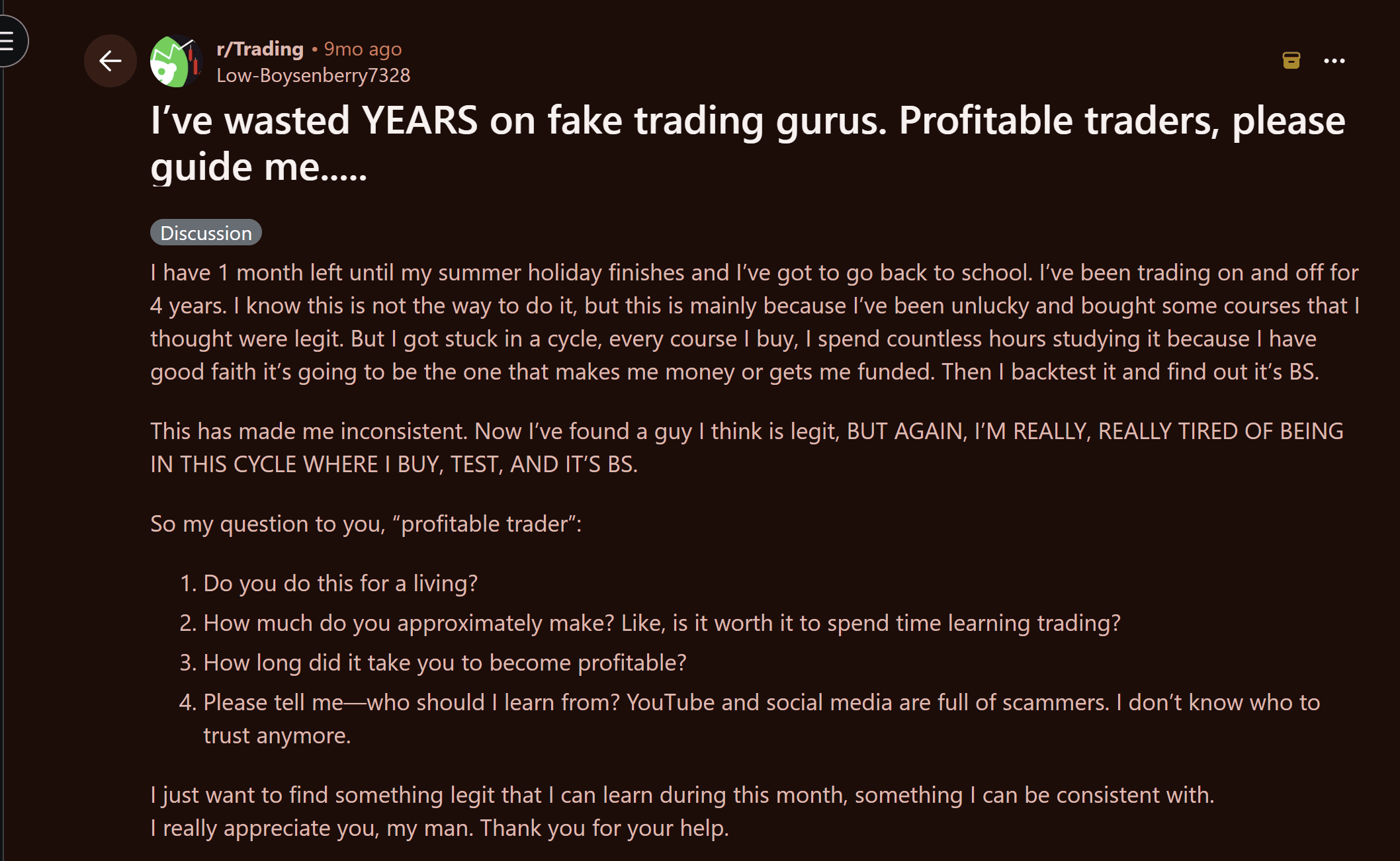
They want a roadmap, someone credible to learn from, and proof that consistent profitability is possible. That makes them easy targets for people who know how to market confidence better than competence.
The FCA said in 2024 that nearly two-thirds of 18- to 29-year-olds follow social media influencers, and among those followers, most said they trusted their advice. The same release noted that many young followers had been encouraged to change their financial behaviour because of influencer content. (FCA)
The CFTC has also warned that social media is now saturated with financial content from celebrities, personalities who may know little about investing, and outright charlatans. It notes that a finfluencer endorsement does not mean an investment is legitimate or suitable, and that social media makes it easy for bad actors to spread misinformation while hiding their identities. (CFTC)
So what should traders look for instead?
The answer is not to avoid education. The answer is to be more selective about who you learn from.
A credible mentor or educator should be able to explain their process clearly, talk honestly about risk, avoid unrealistic promises, and show transparency instead of just performance theater. If the whole brand depends on urgency, flexing, private group chats, or vague claims of huge returns, that is a red flag — not proof of skill. SEC investor alerts also warn that group chats and social media “stock tip” funnels are common ways scammers initiate contact and build false trust. (Investor)
Final thought
The real issue with fake gurus is not that they market themselves. It is that self-promotion becomes the product.
In trading, that is dangerous. Beginners do not need more hype, more screenshots, or more people pretending that trading is easy. They need transparency, credibility, and guidance rooted in reality.
That is the standard the industry should move toward — and exactly the kind of problem MentorTrader is trying to solve.