In trading, a polished track record is often the fastest way to win trust. But screenshots, broker statements, and MetaTrader account histories are not always what they seem. Here’s how fake gurus manufacture credibility — and what traders should verify instead.
One of the easiest ways to sell trading education online is to look profitable.
That is why so many fake gurus obsess over “proof” — account screenshots, broker statements, MT4 or MT5 histories, payout screenshots, and polished dashboards. The problem is that professional-looking evidence is not always real evidence. Regulators have repeatedly warned that fraudsters use social media, impersonation, misleading documents, and fake performance displays to create a false sense of credibility. (Investor)
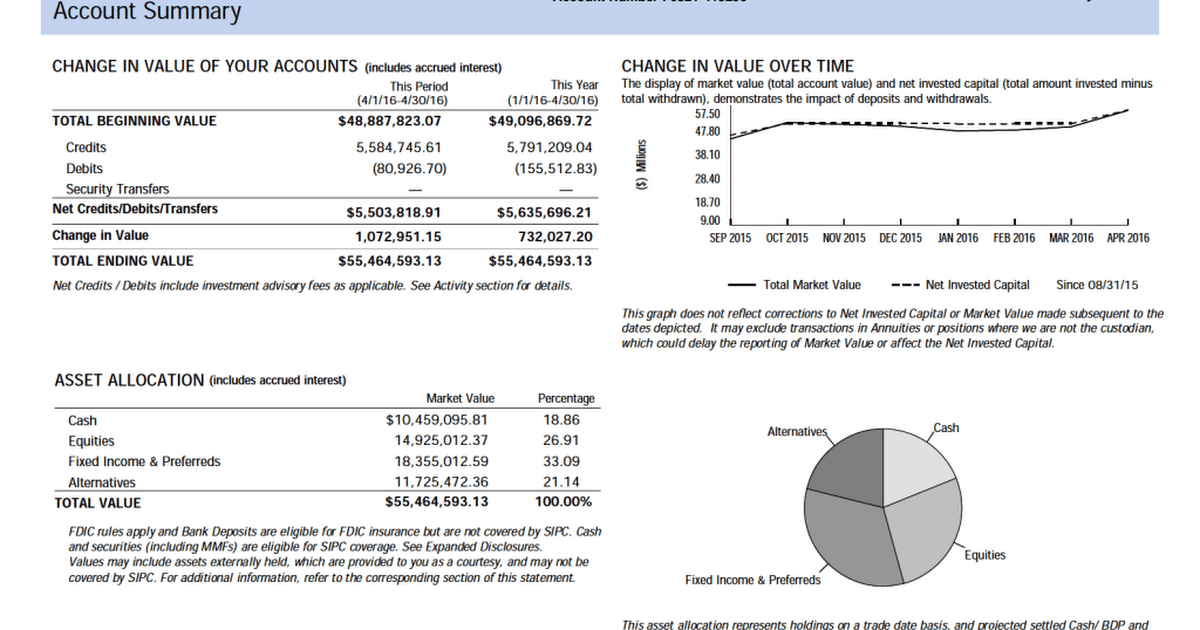
1. Fake broker statements are easier to believe than to verify
A PDF statement or account report feels convincing because it looks official. But that is exactly why fake operators use them.
FINRA warns that scammers may create fake versions of public regulatory reports and send them to investors using a real professional’s name and registration number. The SEC has also warned that fake documents can look authentic, include official-looking branding, and even contain forged signatures. In other words, a document that looks legitimate is still not verification. (FINRA)
In trading, that same logic applies to broker statements. If the viewer cannot independently confirm the broker, the account ownership, and whether the record came from real trading rather than a fabricated or altered document, the statement should not be treated as proof.
2. A MetaTrader screenshot is not the same as a verified live track record
This is where a lot of beginners get fooled.
A fake guru posts an MT4 or MT5 screenshot, shows a smooth equity curve, and suddenly looks credible. But regulators are very clear that simulated or hypothetical results do not represent actual trading. U.S. rules require disclosures stating that hypothetical results have “inherent limitations” and do not reflect real executed trades. (Legal Information Institute)
That matters because the CFTC has already pursued cases involving false account statements of profits from demo trading. In the Mirror Trading International case, the court order states that the defendants posted false account statements showing participants’ profits from demo trading. FINRA also warns that fraudsters may send fake screenshots, fake trading information, or even manipulate an online account to make investments and earnings appear legitimate. (CFTC)
So the real issue is not whether the screenshot says MT4 or MT5. The real issue is whether the performance came from a real, independently verifiable live environment — not a demo account, manipulated display, or unverifiable back end.
3. Shady offshore brokers make fake credibility even easier
Even when the trades are shown on a real-looking platform, the broker behind it matters.
The CFTC says it has seen an increase in complaints from customers who deposited money with unregistered offshore forex dealers they found through social media, and that when customers later tried to withdraw funds, the dealers were often unresponsive or demanded additional payments. The FCA has also warned about clone firms — fake brokerages using the name, address, and registration details of real authorized firms to appear legitimate. (CFTC)
That is why “broker proof” can still be weak proof. If the broker is offshore, unregistered, cloned, or operating outside a strong regulatory regime, then the account history attached to it becomes much harder for a student to trust.
The FCA has also warned that some firms and finfluencers push people toward offshore CFD providers or encourage them to give up retail protections, while promoting unrealistic returns and copy-trading style promises on social media. (FCA)
4. Fake gurus do not just fake profits — they fake legitimacy
This is the bigger point.
The scheme is usually not just “here is a winning trade.” It is a full credibility package: a luxury lifestyle, a social media following, a clean-looking statement, a MetaTrader screenshot, a broker logo, maybe even a fake registration reference. Investor alerts from the SEC warn that social media makes it easy for fraudsters to create fake profiles, impersonate legitimate firms, and post fabricated returns that make the opportunity look popular, trustworthy, and real. (Investor)
Once that trust is built, the next step is predictable: upsell the course, sell access to the Discord, push the managed account, or direct followers to deposit with a sketchy broker.
What traders should look for instead
The answer is not to trust every screenshot less. It is to verify more.
A credible mentor should be comfortable with independent verification. In the U.S., investors can check firm and broker backgrounds through NFA BASIC and other official databases; the FCA similarly tells consumers to use its Firm Checker and Warning List when dealing with trading firms. (NFA)
That means beginners should care less about flashy screenshots and more about questions like:
Is the broker regulated?
Can the track record be verified independently?
Is the performance live or simulated?
Does the educator talk honestly about losses, risk, and drawdowns?
Are they selling trading skill — or selling the appearance of trading success?
Final thought
Fake gurus understand something very well: in trading, perceived credibility sells.
That is why fake broker statements, MetaTrader screenshots, and offshore broker setups are so powerful. They do not have to be fully real. They only have to look real long enough to win trust.
And that is exactly why transparency matters. Traders do not need more polished “proof.” They need proof that can actually be checked.
That is the standard MentorTrader should stand for.